Where independent hotel profit is quietly lost
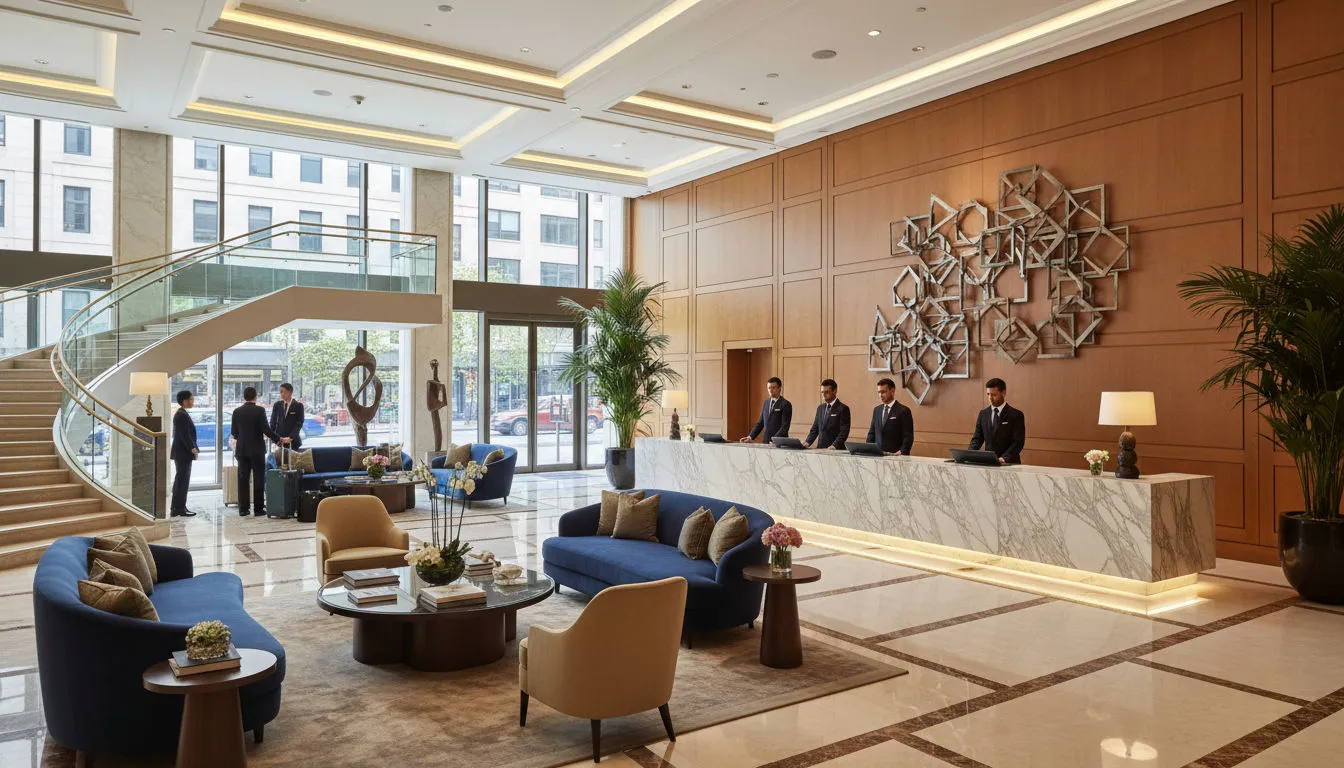
When an owner asks me to look at an underperforming hotel, they usually expect me to point at the top line. More heads in beds, a higher rate, a fuller function diary. Occasionally that is the answer. Far more often, the profit was never lost at the top of the P&L at all. It leaked, quietly, further down — in three places owners rarely watch closely enough.
1. Labour that drifts, rather than flexes
Payroll is the largest controllable cost in almost every hotel, commonly running between a quarter and a third of turnover. The problem is rarely the headline number. It is that rotas are built around last week rather than next week. Departments are staffed for the busiest day and carried through the quiet ones. Nobody owns the gap between forecast covers and actual hours.
Fixing it is not about cutting people. It is about matching hours to demand you can already see — the arrivals list, the function sheet, the historical midweek dip. A hotel that plans labour a fortnight out, against a realistic forecast, routinely recovers two to four points of payroll without a single redundancy and without guests noticing anything except, occasionally, better service at the moments that matter.
2. Purchasing on autopilot
The second leak is in the cost of goods. Suppliers are inherited, not chosen. Prices creep up a few percent a year and are never re-tendered. Specification drifts — a kitchen orders the branded item out of habit when an equal product costs less. Nobody reconciles what was ordered against what was delivered against what was invoiced.
None of this is dramatic on any single invoice. Across a year it is the difference between a good gross margin and an ordinary one.
3. Revenue that is present but unpriced
The third is not a cost at all — it is revenue the hotel already has the demand for but never captures. A function room let at a flat rate on a date it could have sold three times over. Bedrooms held at a single price through a period of obvious high demand. Car parking, late checkout, breakfast, meeting-room hire — all given away because pricing them felt like friction.
The money is rarely somewhere new. It is almost always somewhere you already are, being left on the table because no one is watching that particular table.
The reason I start here rather than with a growth plan is simple: recovering leaked profit is faster, cheaper and lower-risk than winning new business, and it funds everything that comes after. In most reviews, the first quarter pays for the work several times over — before we have touched marketing, positioning or capital investment at all.
Common questions
- What is the biggest controllable cost in a hotel?
- Labour. It commonly runs between 25% and 35% of turnover and is the single largest cost an operator can actively manage week to week, chiefly by matching rostered hours to forecast demand rather than to the previous week.
- How quickly can a hotel recover lost profit?
- In most operational reviews the first quarter of recovered labour, purchasing and pricing gains pays for the work several times over — before any growth initiative begins.
Where does an independent hotel lose profit?
Put it to Shafeeque directly — we reply within one working day.
BOOK A CONSULTATION